









Why scuba dive with us?
Every destination is hand‑picked for world‑class
underwater experiences, matching the location,
season, accommodation, and operator for the most
ethical encounters possible. Our approach centers on
ethical ocean encounters, the wellbeing of marine
animals takes precedence.
Our expeditions are exclusive charters built for snorkelers who thrive in the company of fellow ocean enthusiasts—creating the smooth, high‑energy trips that earn us exceptional reviews.
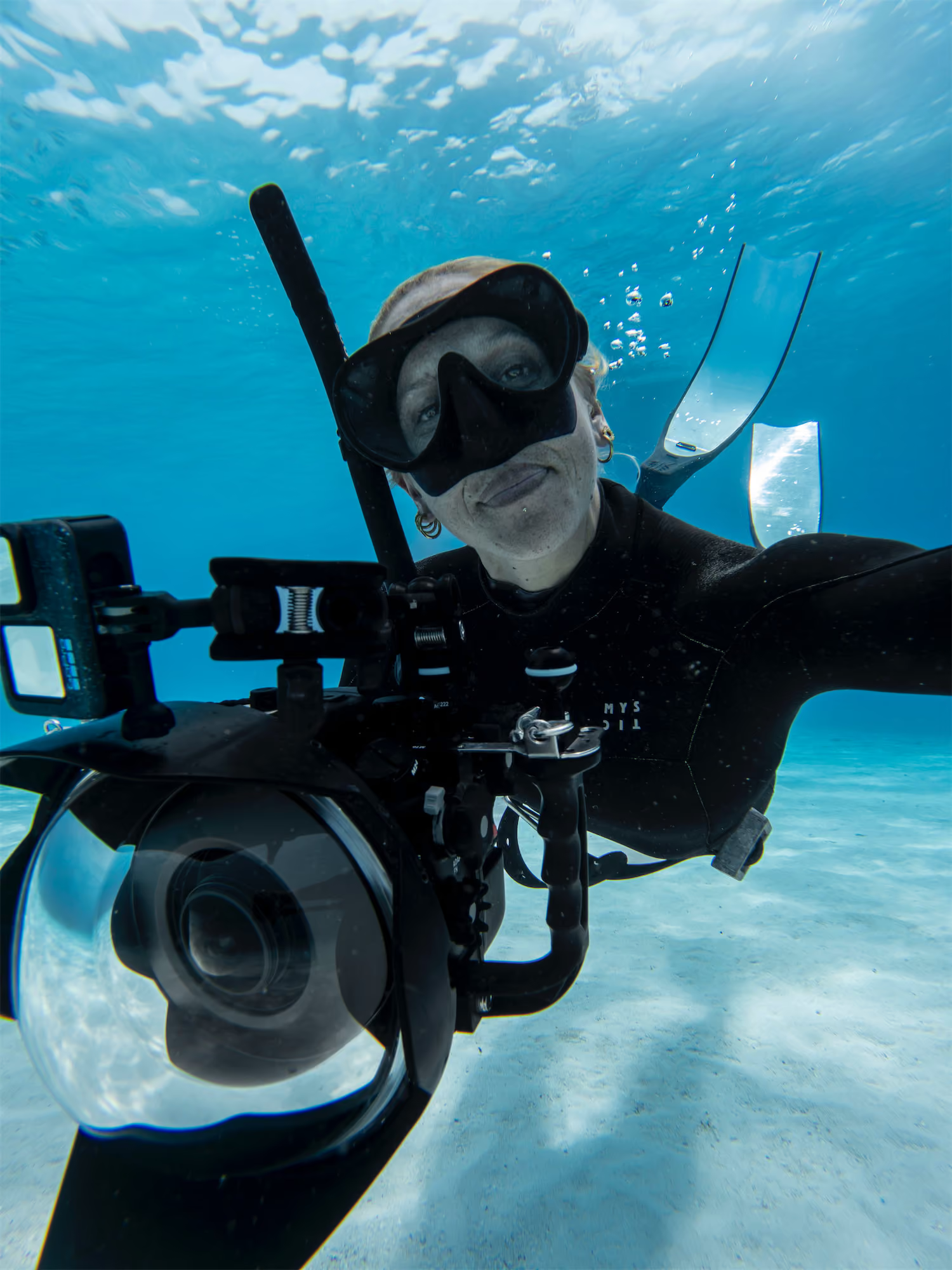
Our trip leaders are world-class photographers, educators, and conservation-minded guides who bring knowledge, calm expertise, and genuine passion to every moment. They create an atmosphere of trust, curiosity, and connection, ensuring you learn more, see more, and feel more during experience.
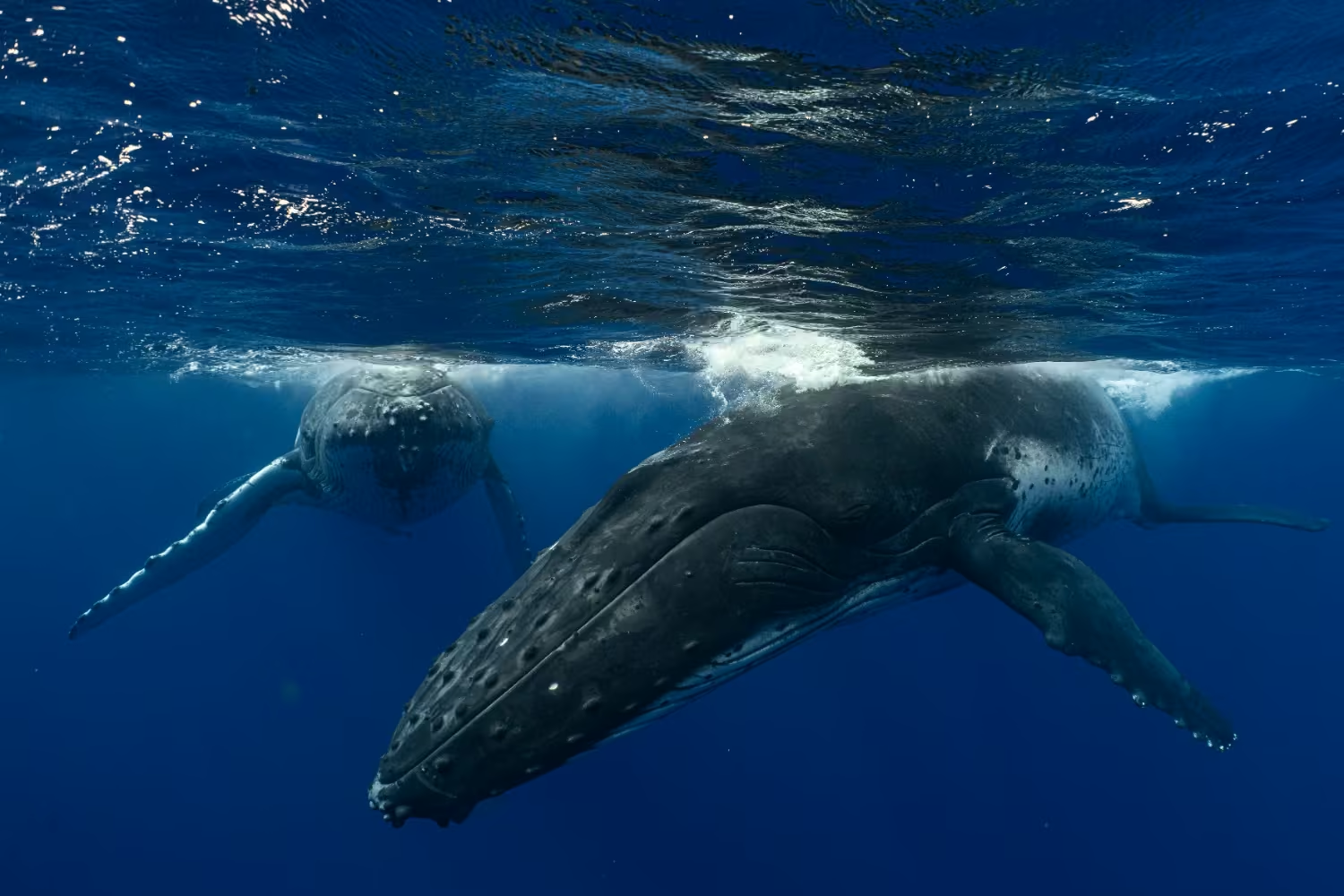
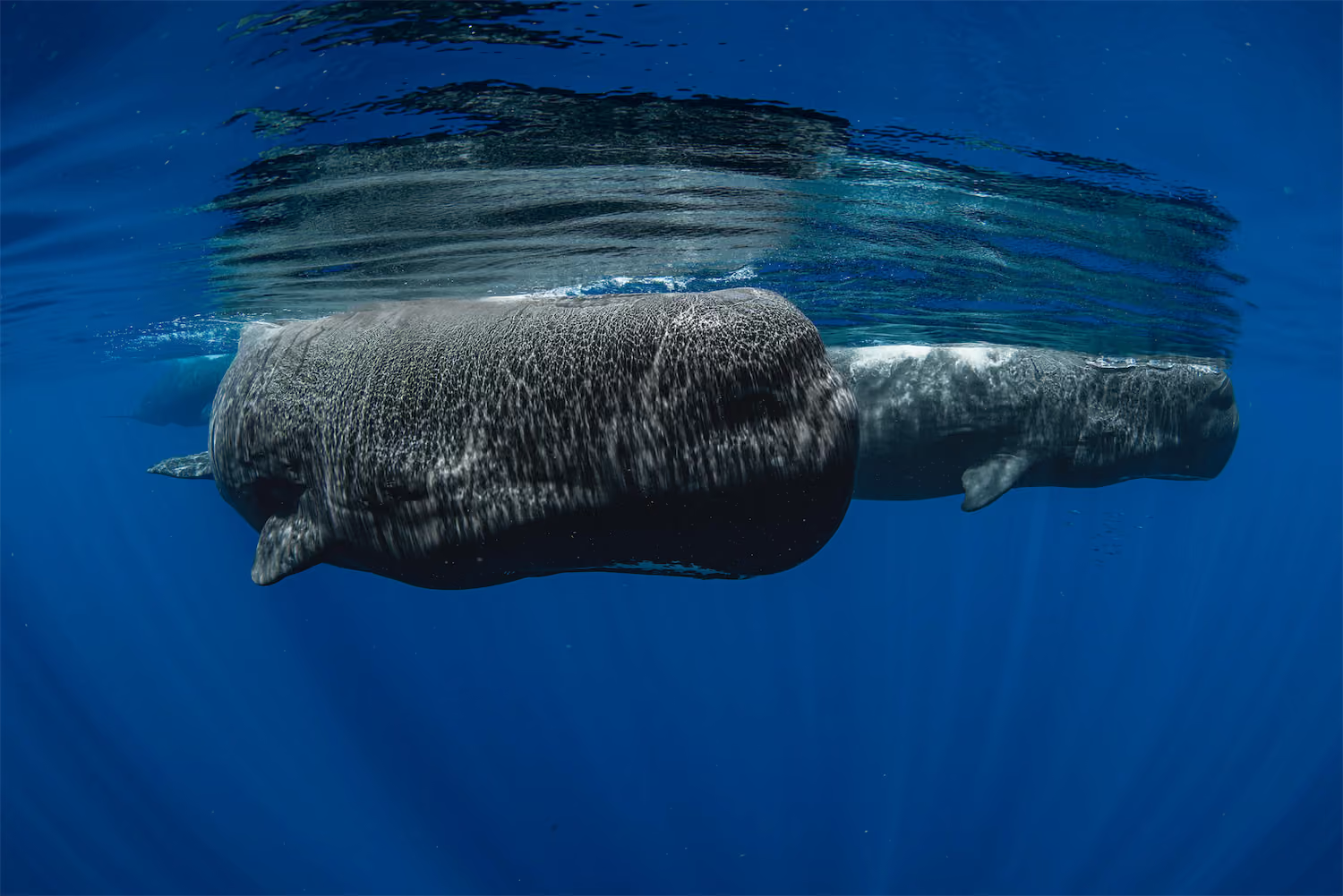
Animal Highlights





Reviews
“After 16 years in the dive and service industry, it’s rare to finish a trip without thinking something could be improved — yet that’s exactly how I feel about my Insider Divers trip to Dominica.
Simon’s patience, Annabelle’s organized communication, and the excellent guides, especially Ines, make everything seamless. Our skipper was incredible at finding whales and ensuring respectful, uncrowded encounters. I expected less excitement after Tonga’s humpbacks, but Dominica was amazing in a whole new way.
Organized, informative, and respectful of the animals — truly a 10 out of 5 experience.”
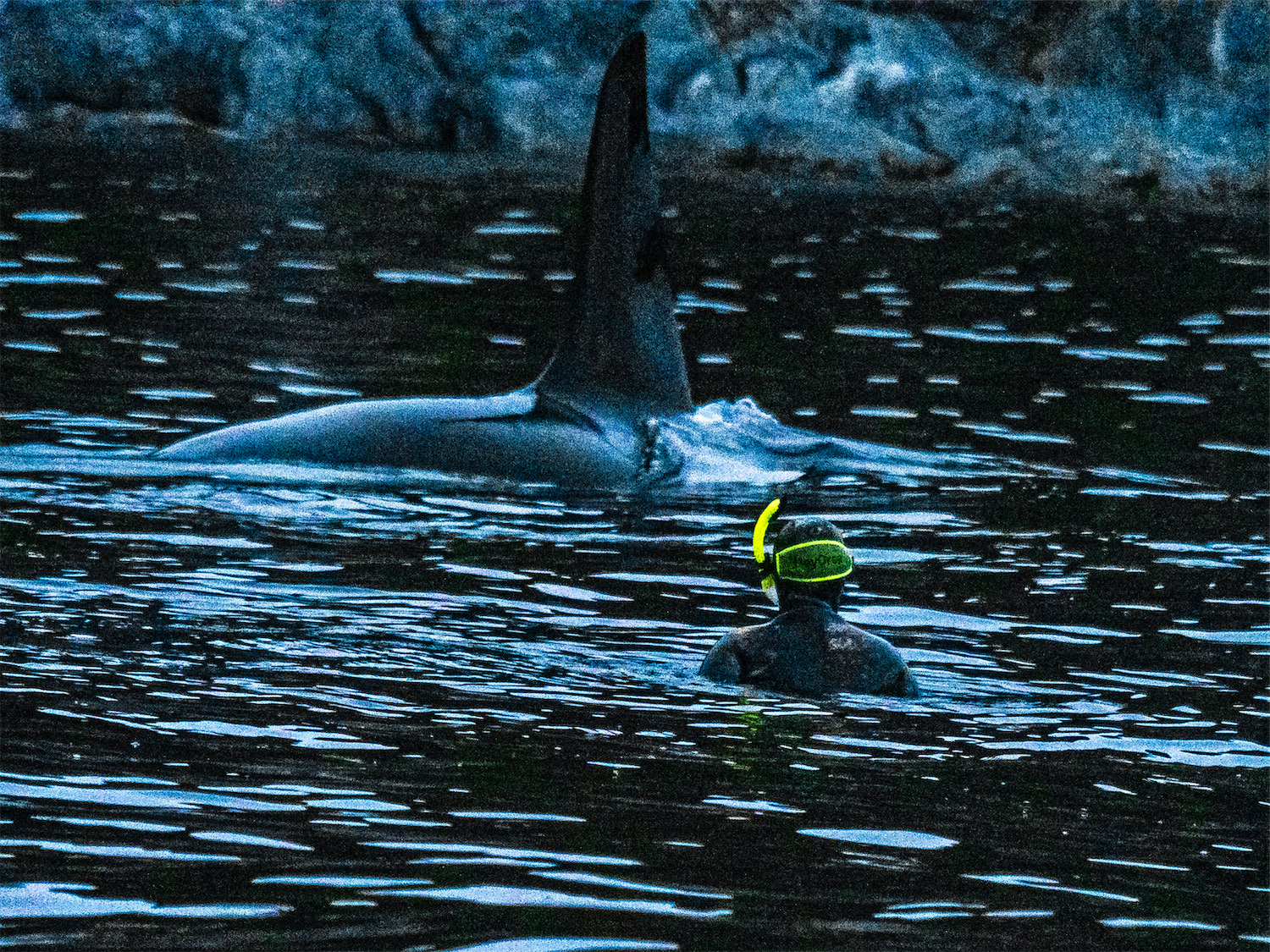
“I joined the Insider Divers Trip to Norway this winter, which was definitely a once-in-a- lifetime experience.
You can't predict nature, and you can never be 100 percent sure that you will have wildlife encounters - however, Simons's wise planning made sure that our prospects were super good. We saw hundreds of Orcas, groups of humpback whales, and fin whales.
Aside from unbelievable encounters I will never forget, it was an amazing journey with fun, like-minded people. Thank you, Insider Divers”
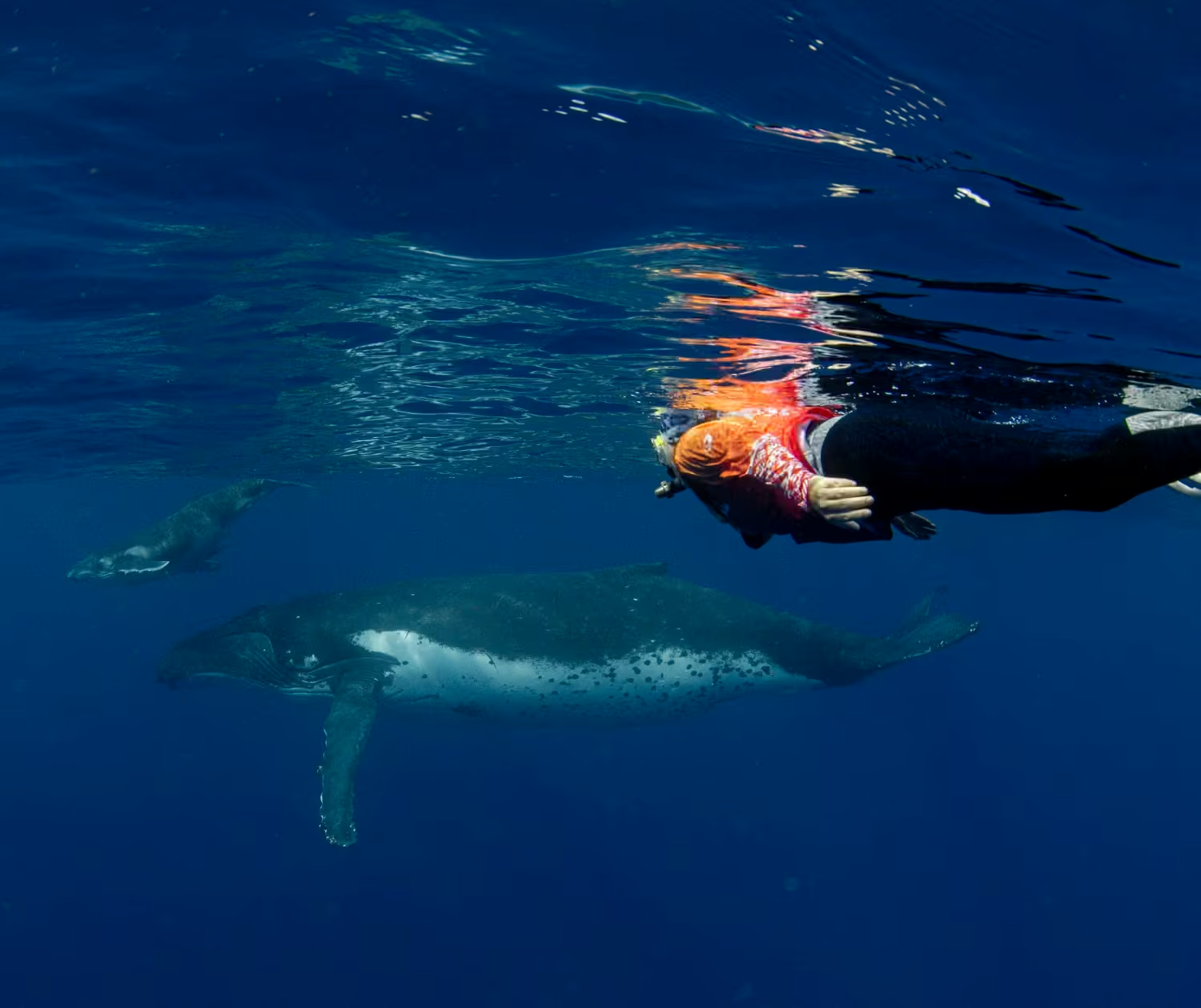
“The Tonga Humpback Whale trip was absolutely phenomenal and magical!
Ines and Insider Divers made this experience wonderful, worry free and safe! They are extremely well organized down to the last detail so that you can arrive and simply enjoy the beautiful nature that you came to see. I especially loved that the team works with ethical skippers/team and respects the whales and their habitat. I highly recommend Insider Divers for an unforgettable ocean life experience!”
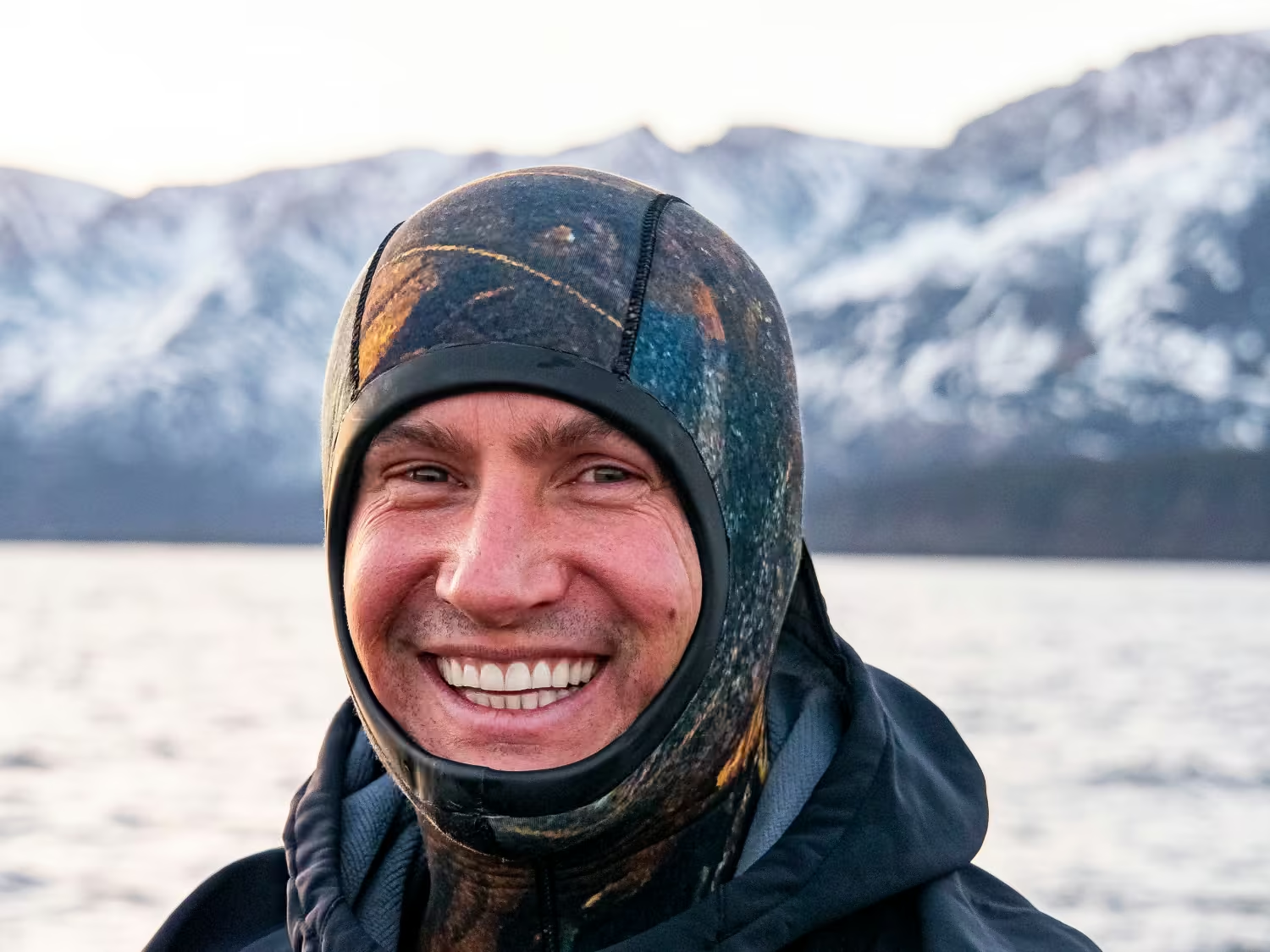
Our trip leaders




FAQ
What experience level do I need?
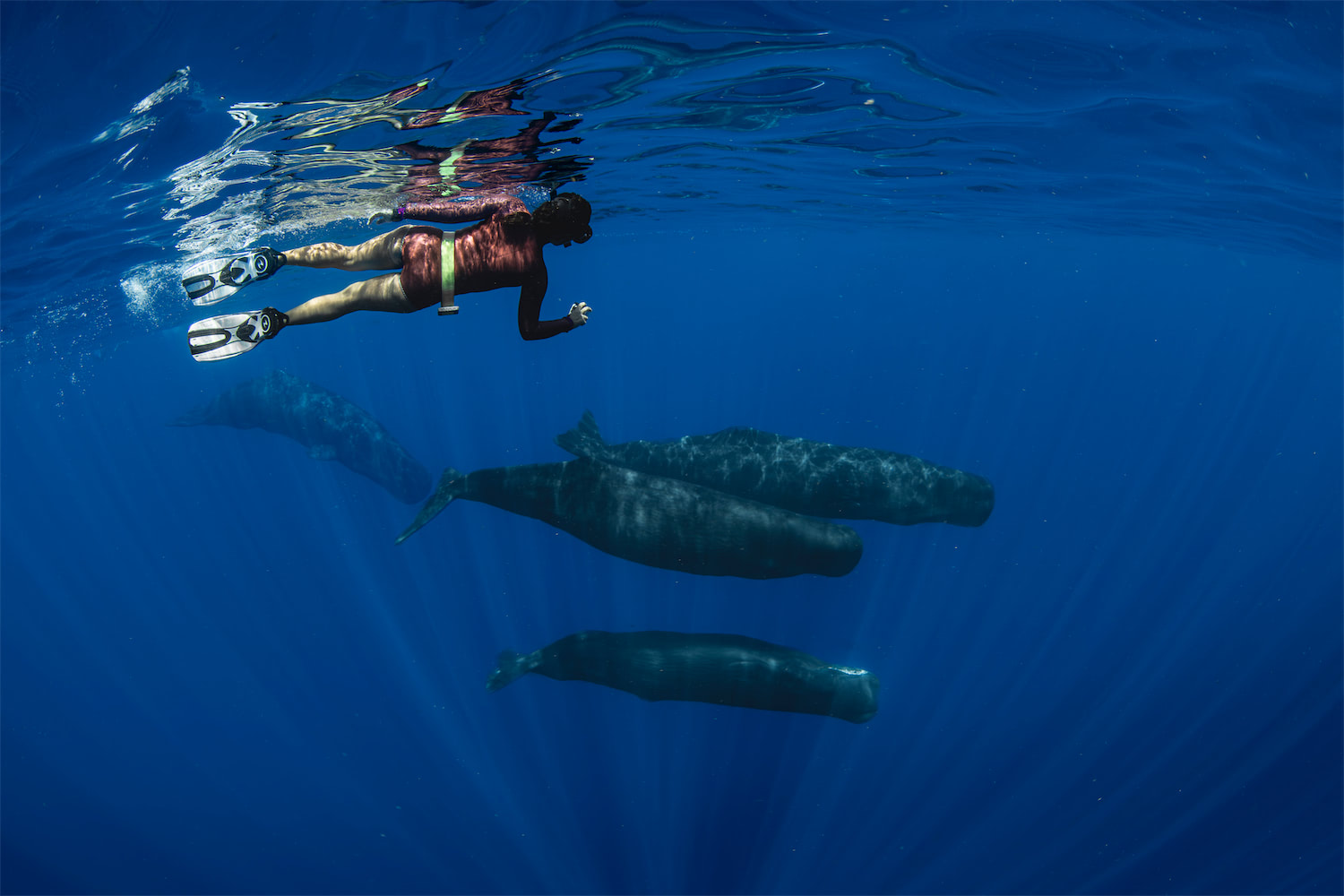
Requirements for all snorkel expeditions are simple: you must be able to swim and snorkel confidently. These trips take place in the open ocean, so if you’re not fully comfortable in the water, we strongly recommend getting some training beforehand — we’re happy to offer pre‑trip preparation advice.
You should also be familiar with your own equipment before joining the expedition. Knowing how your mask, snorkel, fins, and camera behave in the water will make your experience far more enjoyable.
We do not support the use of buoyancy aids such as vests or boards, as they limit mobility and interfere with safe, natural movement in the water.
How likely will I see whales underwater?
Lorem ipsum dolor sit amet, consectetur adipiscing elit, sed do eiusmod tempor incididunt ut labore et dolore magna aliqua. Ut enim ad minim veniam, quis nostrud exercitation ullamco laboris nisi ut aliquip ex ea commodo consequat. It’s a fair question — and one without a guaranteed answer. Whales are elusive, highly intelligent animals, and every encounter depends on their mood, behaviour, and willingness to interact. What we can guarantee is that we maximise the chances ethically: choosing the right location, at the optimal time of year, and working with experienced guides who understand whale behaviour intimately.
We only enter the water when the whales show clear signs that they will tolerate our presence. If they don’t give us that feeling, we won’t push an encounter — their comfort always comes first. This approach not only respects the animals, it also leads to the most meaningful and memorable interactions.
That said, some destinations — such as Tonga or Norway — offer an exceptionally high likelihood of daily in‑water whale encounters, while others may require more time, patience, and searching. Each whale species has its own rhythm, its own behaviour patterns, and its own level of predictability.
Is it ethical to swim with whales?
In short: yes — swimming with whales can be ethical, but only when done with strict respect for the animals and under responsible guidelines.
The ethics hinge entirely on how the encounter is conducted:
- Animal welfare first — whales must never be chased, pressured, or forced into interaction. The moment they show avoidance, the encounter stops.
- Behaviour‑based decisions — entering the water is only appropriate when whales clearly indicate tolerance or curiosity.
- No disturbance — boats must keep respectful distances, avoid cutting off travel paths, and minimise noise.
- Experienced guides — ethical encounters rely on teams who understand whale behaviour and know when not to enter the water.
- Local regulations — every region has its own rules; responsible operators follow them strictly.
When these principles are followed, swimming with whales becomes a low‑impact, observational experience — one that respects the animals’ autonomy and avoids altering their natural behaviour.
What would be the best first destination to try whale swimming?
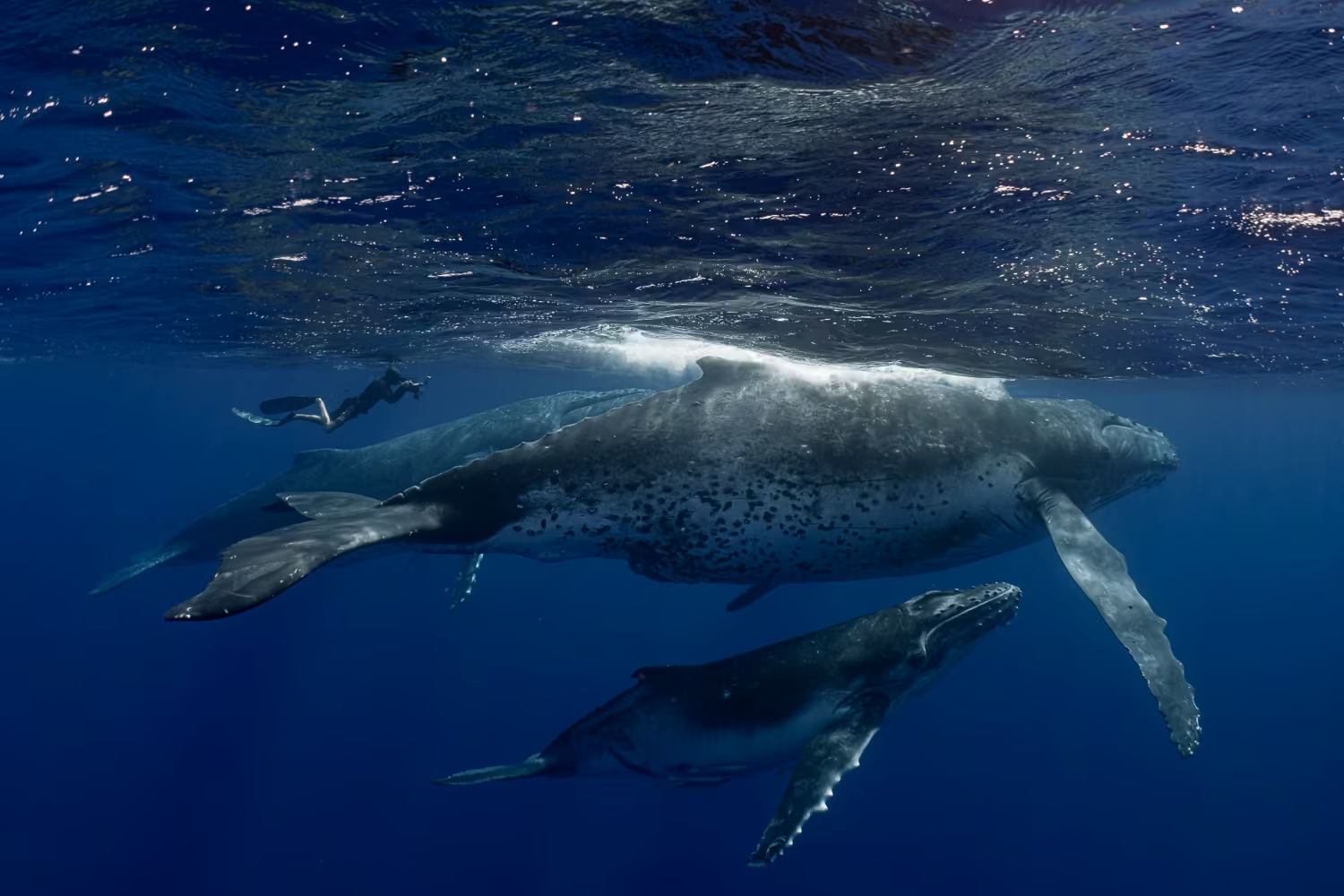
It’s ultimately a personal decision — shaped by your experience, your comfort level, and even where you come from — but many travellers find that the most accessible, entertaining, and consistently rewarding whale encounters happen with humpbacks in the South Pacific. No other species behaves quite like them. Humpbacks are, in many ways, the ocean’s great entertainers: curious, interactive, and often willing to approach swimmers on their own terms.
Their natural inclination to engage makes them uniquely suited for ethical in‑water encounters, provided all interactions follow strict respect‑based guidelines.
Check out our Tonga expeditions